
A Voice Waiting to Be Discovered
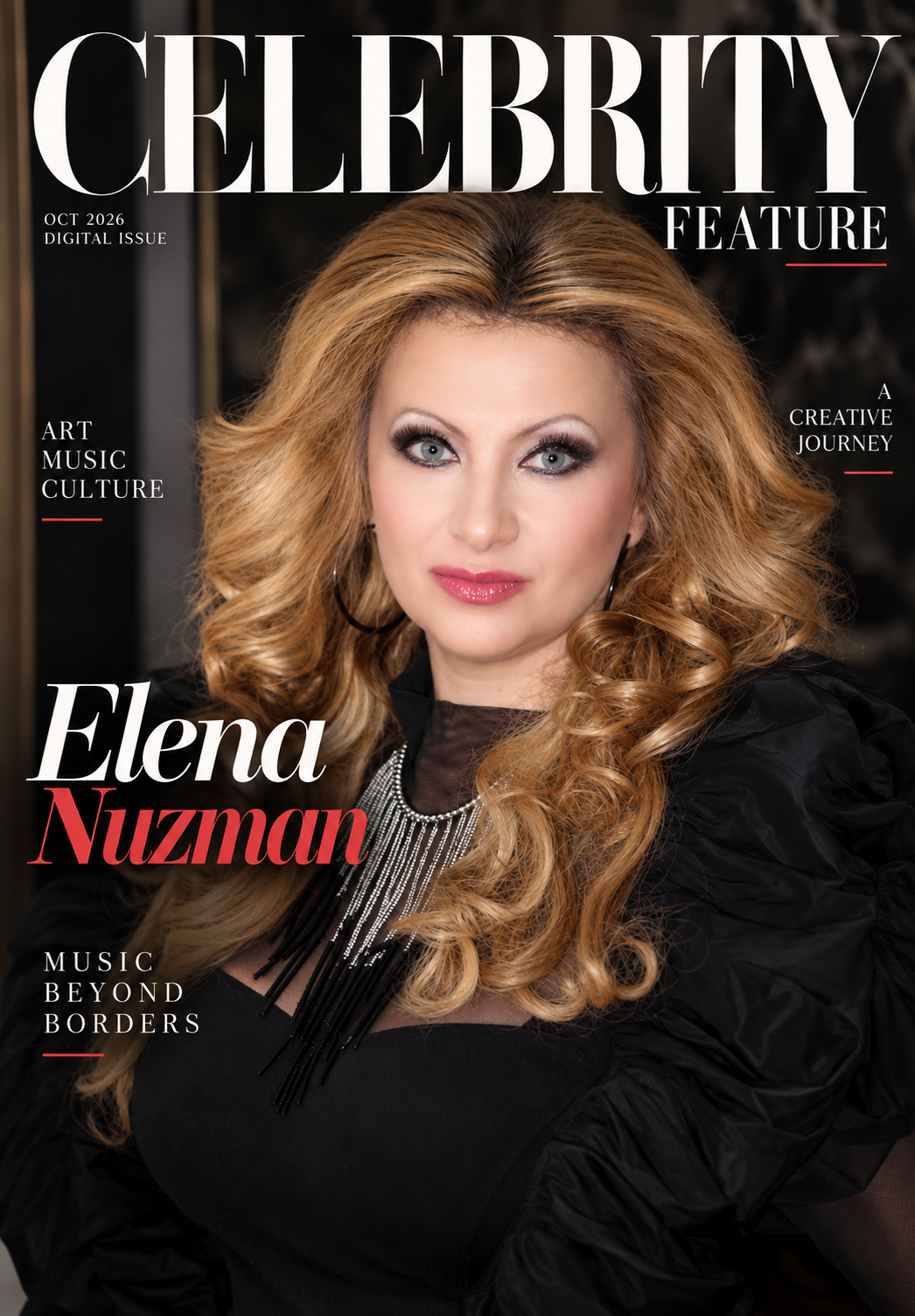
Elena Nuzman did not begin her career by trying to become a vocalist.
Her first great musical identity was that of a pianist.
Born into a professional musical family in Moldova, she was introduced to the world of music almost as soon as she could understand it. At only two years old, she could reproduce melodies by ear on the piano. By seven, she had entered a prestigious music Lyceum for gifted students and begun the demanding education that would eventually lead her toward a career as a concert pianist.
Her hands became her first expressive instrument.
Her voice came later.
And when it arrived, it changed the dimensions of her artistic world.
Today, Nuzman is known not only for her classical piano background but also for a four-octave vocal range and a distinctive ability to move between classical, pop and rock. Yet the most interesting part of her vocal journey is not simply how high or low she can sing.
It is why she sings.
Finding Another Language
For years, Nuzman’s musical education was centered on the piano. She studied extensively and eventually continued her academic journey internationally, including a master’s degree in concert piano from the Robert Schumann University of Music in Düsseldorf.
The piano had given her an extraordinary vocabulary.
Then a vocal competition presented an unexpected opportunity.
Nuzman entered and won first prize in the Rock-Pop category.
That achievement revealed something she had not necessarily been pursuing in the same way before: she could command a song with her voice as naturally as she could communicate through an instrument.
There was a certain logic to the discovery.
A pianist spends years learning how to shape a phrase, control dynamics, create tension, release emotion and tell a story without words. A singer must do many of the same things, except the instrument is part of the body.
For Nuzman, the transition from piano to voice became an extension rather than a rejection of her earlier training.
The Technical and the Emotional
A four-octave range is a striking technical capability.
But vocal range alone does not create an artist.
Music listeners remember feeling more readily than statistics. They remember the tension in a performance, the vulnerability in a phrase, the strength of a chorus, or the silence before a note.
Nuzman’s classical background gives her a particularly strong foundation for those details.
Years of piano study taught her to hear structure. Her vocal development gave that structure a human voice.
The combination allows her to approach contemporary music with an unusual level of musical awareness.
It also explains why her repertoire can move so naturally between emotional ballads and rock.
The Rock Chapter
Her debut album, I Believe In You, marked an important moment in the development of Nuzman as a contemporary vocalist.
The project introduced audiences to a singer who could combine strong vocals with emotional songwriting and rock-oriented interpretation. It entered the German Newcomer Charts and remained in the Top 10 for weeks.
One of the performances associated with this chapter was her interpretation of Whitesnake’s “Here I Go Again.”
The choice was revealing.
The song demands confidence, attitude and vocal energy. It is far removed from the image many people might automatically associate with a concert pianist trained in the classical tradition.
Nuzman embraced the contrast.
Her performances reached major audiences, including New Year’s Eve celebrations at Berlin’s Brandenburg Gate, placing her voice in front of audiences far beyond the traditional classical concert setting.
The pianist had found a new stage.
When the Voice Meets the Piano
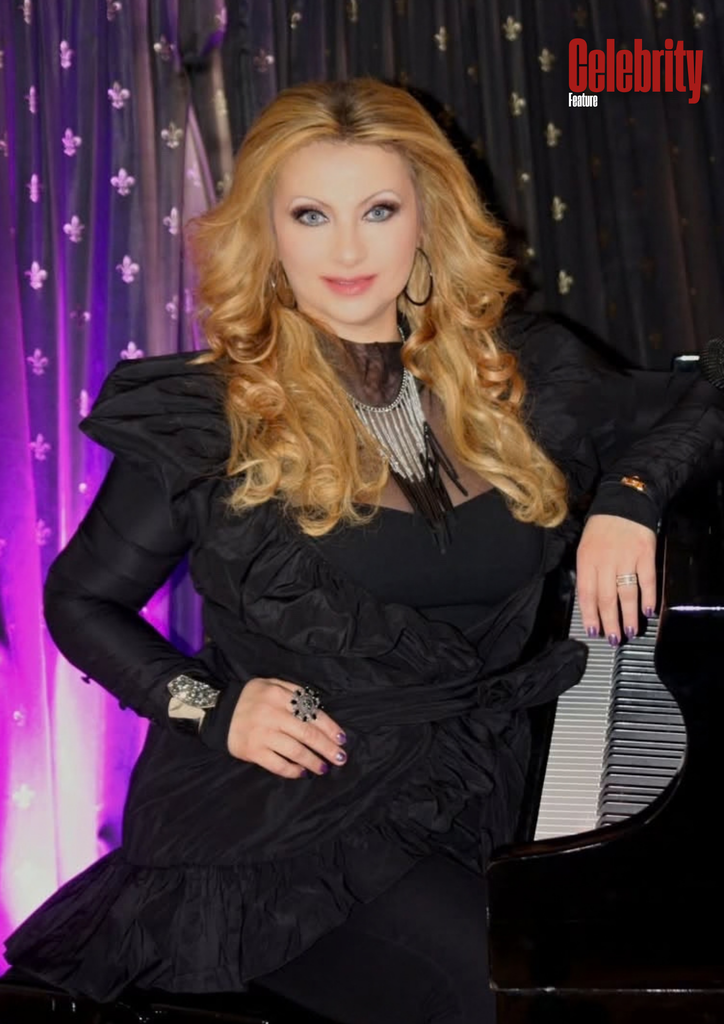
The relationship between Nuzman’s voice and piano became even more interesting as she developed as a composer.
Rather than separating her identities—pianist here, singer there—she increasingly allowed them to interact.
That interaction is at the heart of Liebestraum.
Inspired by the Romantic era, the project explored how classical piano traditions could be transformed into contemporary musical experiences. The emotional richness of Romantic music became a foundation for new songs and modern interpretations.
The result was music that could appeal to listeners who might not normally approach classical repertoire.
The title track eventually surpassed four million views on YouTube and received the IMPALA Silver Award.
The achievement was another indication that Nuzman’s musical language could travel across audiences.
Singing the Music She Feels
There is an important difference between technical singing and expressive singing.
The first demonstrates ability.
The second creates connection.
Nuzman’s musical background has always been deeply connected to interpretation. Whether she is performing a classical composition, a rock song or one of her own works, the goal is not simply to reproduce notes accurately.
It is to communicate.
Her voice becomes another form of storytelling.
Sometimes that storytelling can be powerful and dramatic. At other moments, it can be intimate and restrained. The range that matters is therefore not only the distance between the lowest and highest notes.
It is the emotional range between them.
A Voice That Grew With the Artist
In 2025, Nuzman released My Piano And I, bringing the piano back into the center of the conversation.
The album includes celebrated songs, new compositions and English versions of some of her works. It represents a mature stage in her artistic development, one in which the pianist and vocalist no longer appear as separate identities.
They are part of the same artist.
That is perhaps the most meaningful development in Nuzman’s career.
She did not leave the piano behind when she found her voice.
She allowed the piano to help her discover what her voice could become.
Beyond the Four Octaves
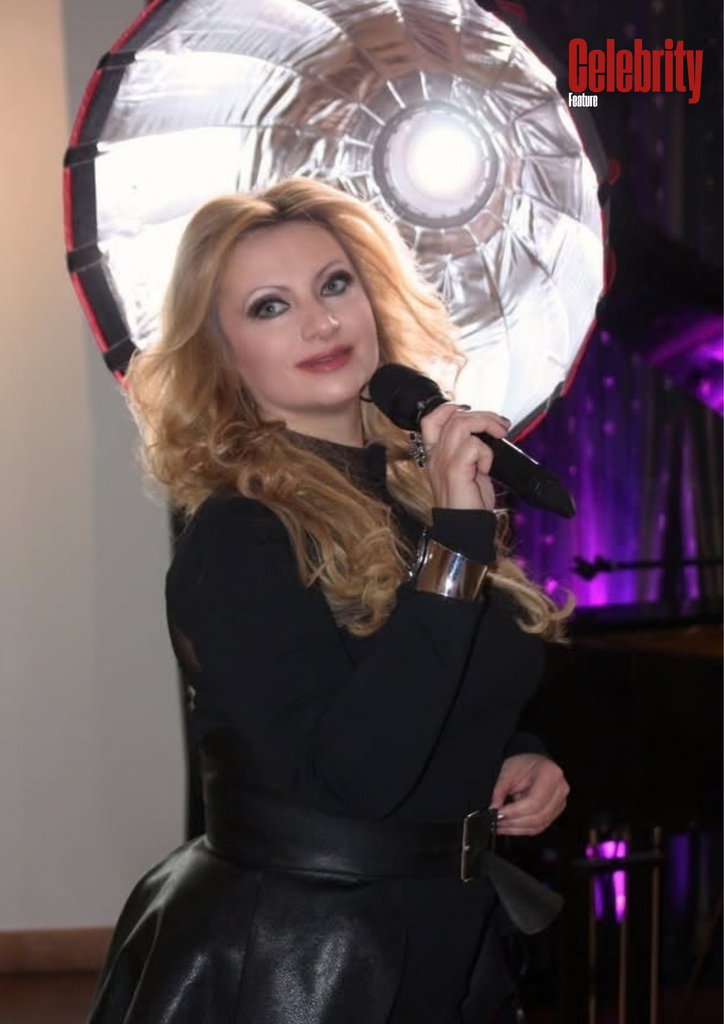
It is tempting to make the four-octave range the headline of Elena Nuzman’s story.
It is certainly remarkable.
But it is not the whole story.
The greater achievement is the ability to take that instrument and place it inside a musical world shaped by decades of classical discipline, international experience, contemporary influences and personal creativity.
Her voice carries the history of the pianist she became before she ever stepped forward as a singer.
That history gives it depth.
From Moldova to international stages, from childhood melodies to major performances, from classical piano to rock and pop, Nuzman has continually expanded the ways in which she can communicate through music.
Her voice may span four octaves.
Her artistic range is considerably wider.
And that may ultimately be what makes Elena Nuzman so compelling: she does not use her voice simply to demonstrate what she can do.
She uses it to say something.